


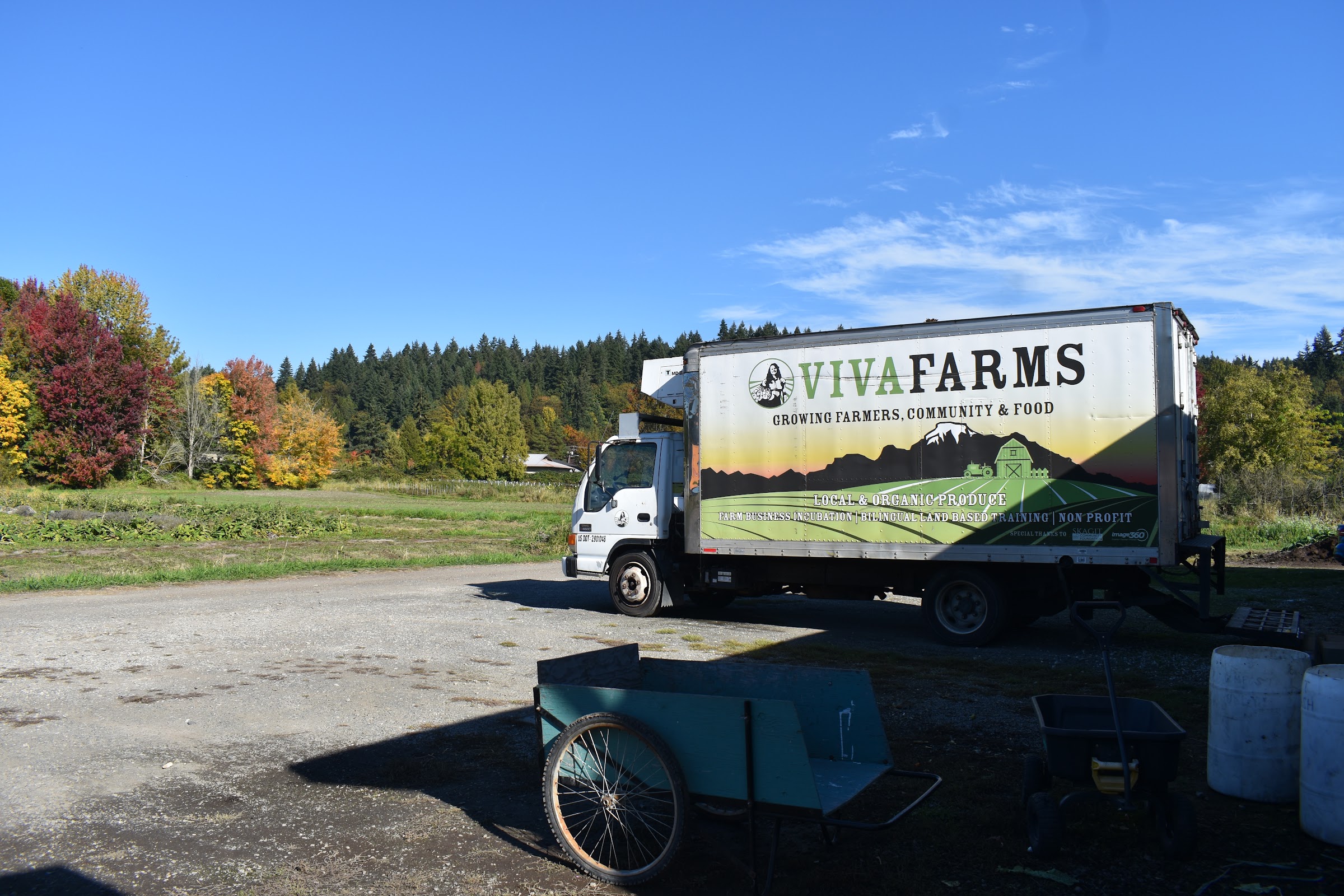
A nonprofit helping independent farmers start their businesses in Western Washington has purchased 52 acres of farmland in Woodinville using King County land conservation grants.
This Content Is Only For Subscribers
Viva Farms bought the 10 acres of land they have been farming on since 2019, along with an adjoining 42 acres off of 140th Place Northeast next to Tonnemaker Farms. The purchase, which was finalized in July 2026, was paid for by $3.2 million in King County Conservation Futures awards. The grants are designed to conserve natural land and green spaces throughout the county.
“I think the purchase of this land by an agricultural organization is almost showing … we’re not just going to let farmland be removed from this use,” said Bonnie Feldberg, Viva Farm’s King County farm and education manager.
Viva Farms was founded in Skagit County in 2009, where entrepreneurs Sarita and Ethan Schaffer built a resource network for beginning farmers to help them establish their businesses. Though they’ve been farming in Woodinville for about eight years, the nonprofit wanted to establish a permanent presence in King County.
“We were able to achieve land ownership [in Skagit County] in 2017 when an opportunity came up, and that really solidified our role in the community,” said Elma Burnham, Viva Farms’ director of strategic partnerships, who added that they wanted to show their commitment to stick around.
“What happens to the land out here should be for the benefit of the people of Woodinville,” said Tyler Morgan, who started farming in the city through Viva Farms’ programming. “Being able to have more vegetables, better vegetables [and] hopefully better prices for the people of Woodinville that are our neighbors is kind of what we’re hoping to do.”
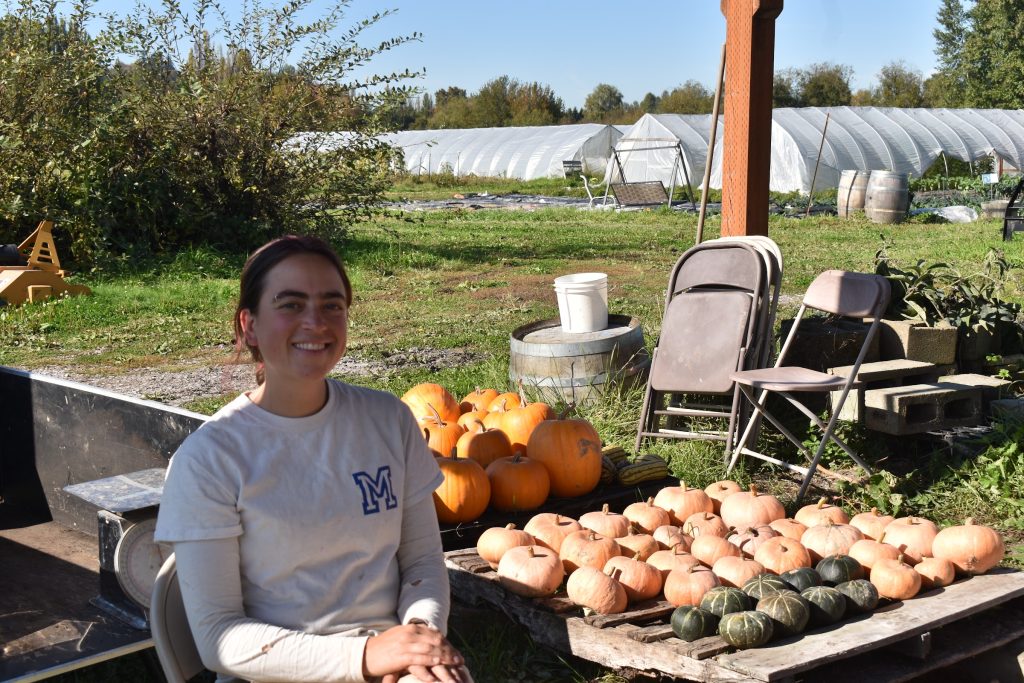
Although the U.S. Department of Agriculture’s 2022 Census of Agriculture shows the size of King County farms increasing between 2017 and 2022, finding and leasing farmland can be difficult and expensive for beginning farmers like Morgan.
Between 2017 and 2022, King County’s estimated market price per farm jumped from $823,790 to nearly $1.12 million, according to the 2022 census. The number of farms in the county also decreased from 1,796 to 1,604 during the same five-year period.
Keeping agricultural land in farmer’s hands is also an ongoing concern in Woodinville. In 2024, Futurewise, a nonprofit protecting farmland through policy reform, won a landmark agricultural preservation case against King County in the Washington Supreme Court.
The case targeted the county’s Adult Beverage Ordinance, which would have made zoning changes to allow tasting rooms, wine bars, taverns and event centers to take over more agricultural and rural land. Although the ordinance applied to all of King County, the case file says the focus was on the potential impact on the Sammamish Valley and Woodinville.
In September 2024, the court found the ordinance did not comply with the State Environmental Policy Act and failed to address environmental impacts on agricultural land. This decision denied the county’s attempt to stretch existing zoning laws to allow wineries, breweries and distilleries to use farmland for non-agricultural purposes.
For Viva Farms, owning the land they farm on ensures the property will remain farmland in the long term. They bought the land from their previous landlords, A Farm In The Sammamish Valley, LLC, who was also a petitioner in the lawsuit against the Adult Beverage Ordinance.
“We’re in this valley that has a history of being an agricultural hub, and it’s diminished so much,” said Feldberg, who has worked at Viva Farms since 2022. “So I think there’s an aspect of that as well, like wanting to maintain this land use in the valley.”
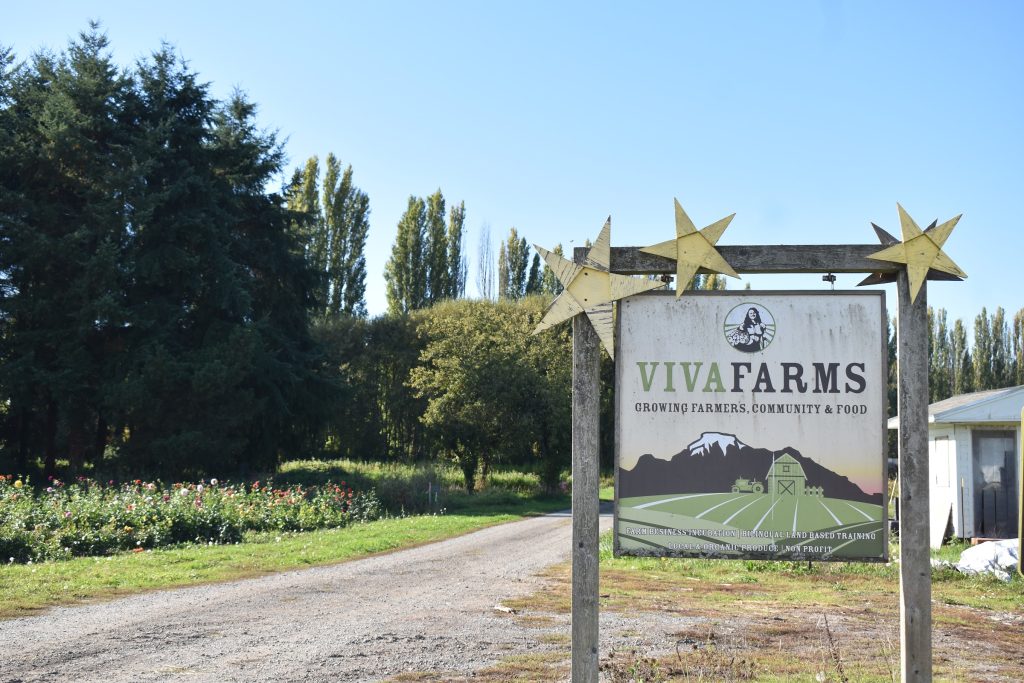
Part of the acreage the farm purchased previously housed Classic Nursery, which had sold plant starts for more than 20 years. A greenhouse structure that was a retail space for the nursery will now be used to grow new crops, Feldberg said.
Alongside maintaining the land’s agricultural use, this purchase also allows Viva Farms to provide independent farmers with better infrastructure and resources.
The organization focuses its efforts on lessening the burdens beginning farmers may face, including finding and leasing land, learning organic farming practices, marketing their products and getting access to tools. Their goal is to get farmers on the path to viability.
“We offer access to land, but also after that, you need infrastructure, equipment, you need to figure out where you’re going to sell your food—we offer that training, which makes us pretty unique,” Burnham said.
Through their Farm Business Incubator program, the Woodinville farm now hosts 18 independent farmers, helping them plan and expand their businesses. Before the expansion, those farmers were working with limited resources for washing, cooling and bringing their produce to market.
Although much of the land Viva Farms now owns will remain leased to longtime farmers, the land purchase has opened up new infrastructure for their beginner farmers. Before the expansion, they were farming without electricity and cooling their produce with a solar cooler that Feldberg said was unreliable.
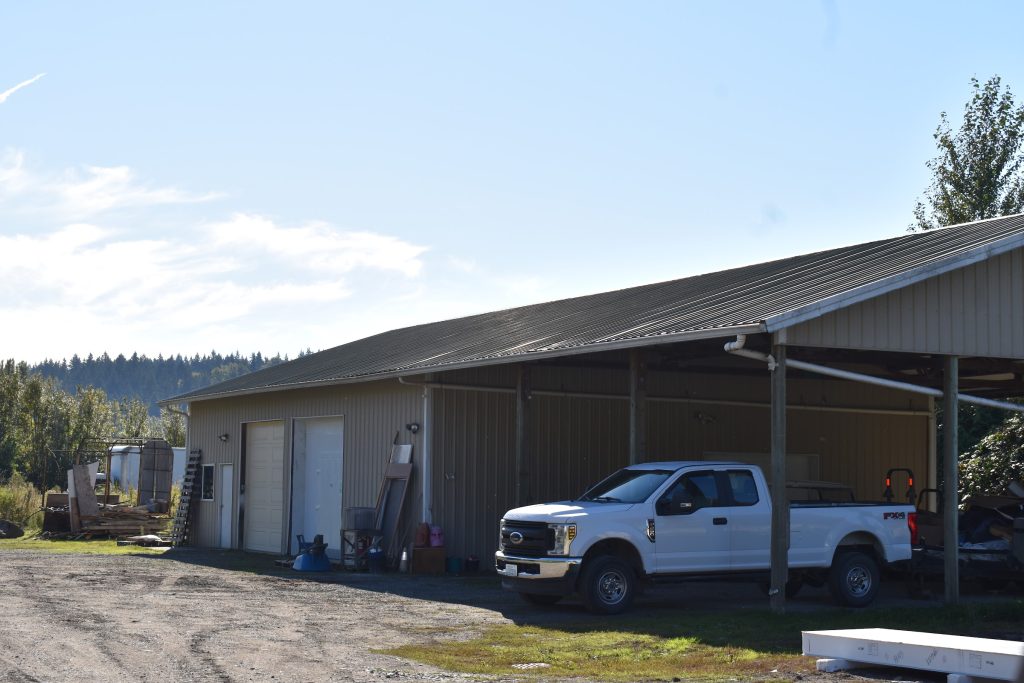
Now, they’ve built an electricity-powered cooler with more than triple the capacity of their previous one. They also plan to add a new wash and pack area where farmers can clean, dry and box up their produce after harvesting. Some of the farmers already in their Farm Business Incubator program will also be able to expand their plots.
Morgan started Blue Glass Farm through the program in 2021, growing fruits, vegetables and flowers. He said although the land purchase did not open up huge amounts of new land to grow on, it will allow his farm to expand from half an acre to 2.25 acres.
“For us, it’s like two and a quarter acreage doesn’t sound like much, but for a kind of market garden farm like we are, it’s actually quite a bit of land,” said Morgan. “It will kind of allow us to grow into the farm we’d like to be.”
With more land to spread out on and better infrastructure, Morgan said Blue Glass Farm will be able to increase the amount of produce they grow. This means more produce taken to the Woodinville Farmer’s Market and offered through their community-supported agriculture program on the farm.
Although Viva Farms will continue to support Blue Glass and many other budding farmers, leasing them land is not the final step of their farm-support process. Ultimately, the nonprofit hopes these businesses will be prepared to transition into running their forever farms on their own land.
The organization aims to give them a chance at a sustainable farming business, one that feeds both the agricultural economy and the community.